About Us
Discover more about Alor Underwater Explorers, who we are and our initiatives to give back to the costal community in Alor and around Nusa Tenggara Timur
Who are we?
Experience Alor with the Local Experts We are the proud owners and operators of Moko Alor Dive Resort and Naraya Alor Dive Resort. As a locally family owned company, we offer more than just a trip; we offer a direct connection to the most pristine marine environments in Indonesia.
Our Commitment Our mission is to showcase Alor’s world-class biodiversity while championing the people who call it home. Through sustainable operations and community-focused tourism, we ensure that every guest stay contributes to the preservation of our reefs and the prosperity of Alor’s local villages.
Travel Information
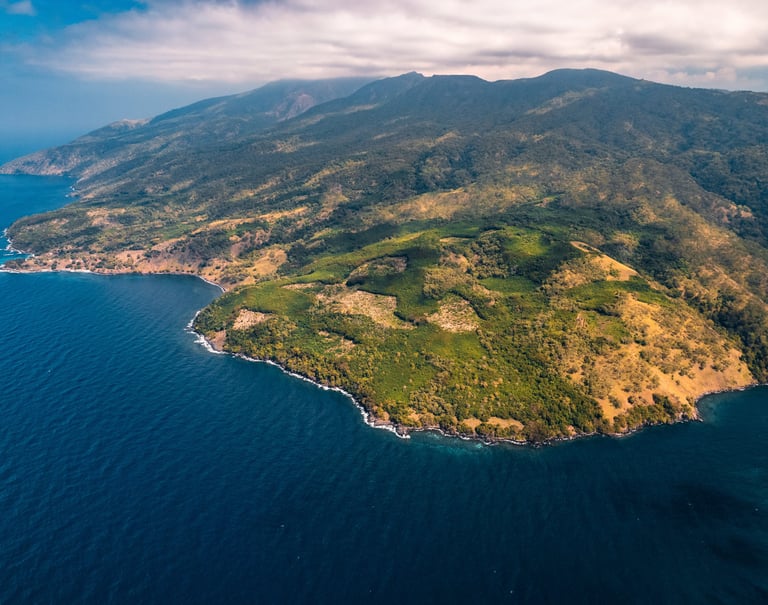
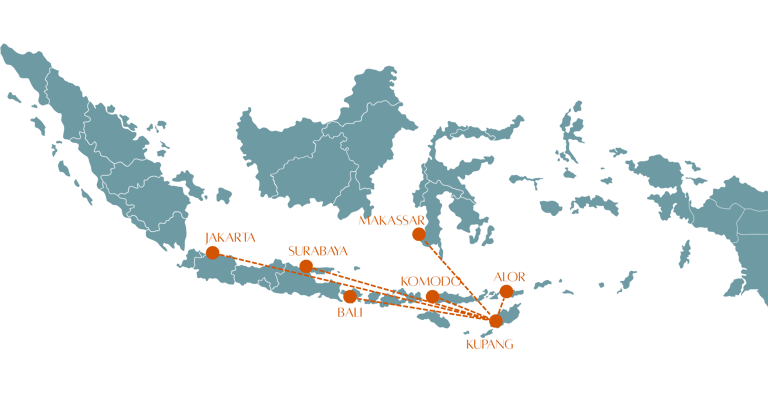
Traveling to Alor Island involves connecting flights through Kupang, the capital of East Nusa Tenggara province. Here's how you can reach Alor:
Step 1: Fly to Kupang
Major Indonesian cities such as Jakarta, Bali (Denpasar), and Surabaya offer flights to Kupang's El Tari Airport (KOE). Airlines like Garuda Indonesia, Lion Air, and Citilink operate these routes. Flight durations are approximately 2.5 hours from Jakarta, 2 hours from Surabaya, and 1.5 hours from Bali.
Step 2: Fly from Kupang to Alor
From Kupang, you can catch a flight to Alor's Mali Airport (ARD). Wings Air operates regular flights on this route, with a flight time of about 1 hour and 20 minutes.
We recommend using the local traveling app called Traveloka, here you can find the best flight connections, information and a easy booking system. We can also assist you with the domestic bookings. In case you need to stay over night in Kupang, you can also book your accommodation through the app.
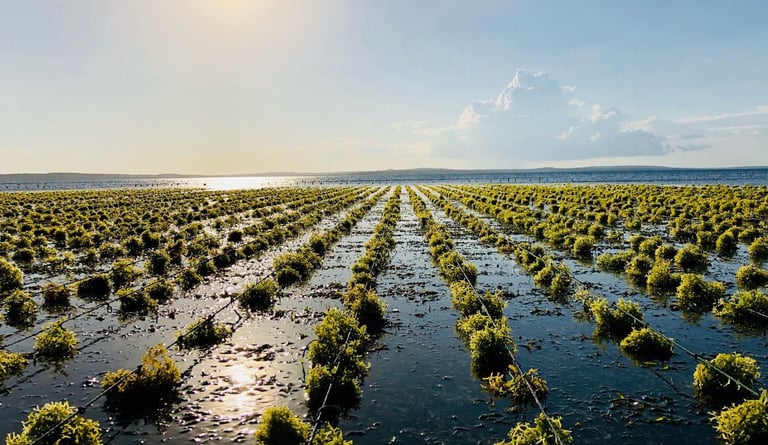
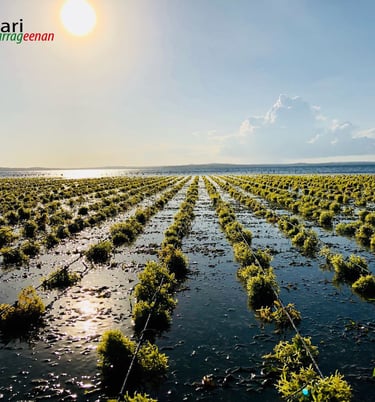
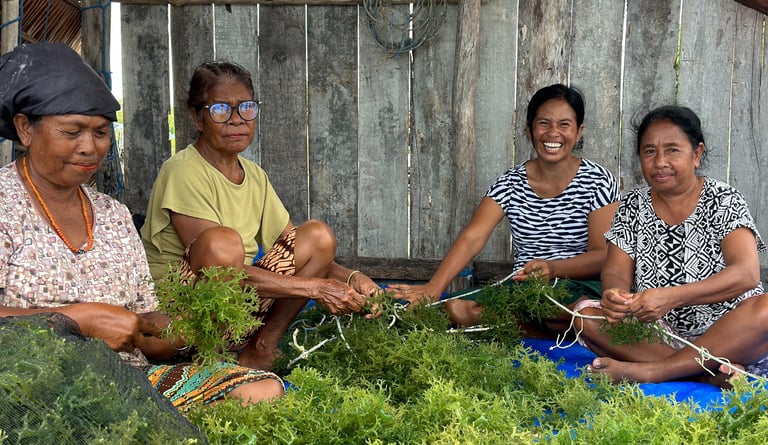
At the heart of Alor’s pristine waters, the AUE Initiative is empowering coastal communities through sustainable seaweed farming. Our mission is to harness the ocean’s potential while protecting its biodiversity, improving local livelihoods, and contributing to climate resilience.
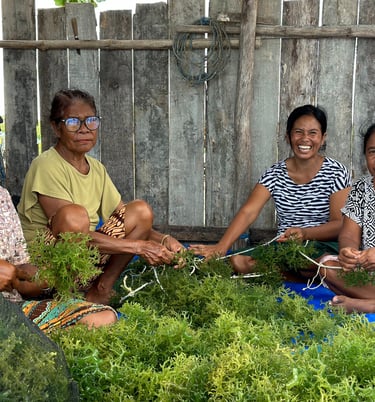
Working hand-in-hand with local farmers, researchers, and industry partners, we provide training, access to markets, and innovative techniques to grow and harvest high-quality seaweed. This not only supports household incomes but also positions Alor as a leader in regenerative ocean-based solutions.
Seaweed farming is more than a livelihood—it’s a way to restore marine ecosystems, sequester carbon, and create natural products for food, health, and agriculture. Through the AUE Initiative, we are building a blue economy rooted in tradition, sustainability, and community.
Join us as we grow a greener future, one seaweed strand at a time.
AUE Initiative
Cultivating a Sustainable Future Through Seaweed Farming
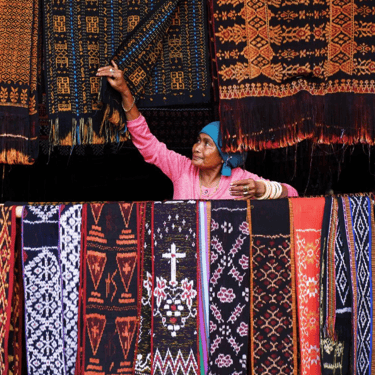
Preserving Heritage Through Kain Tenun NTT
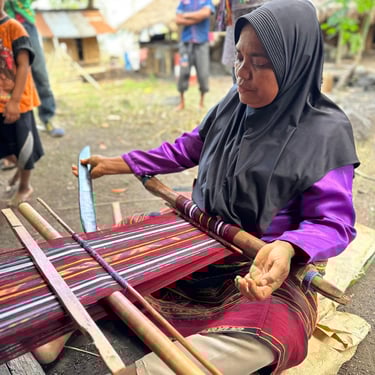
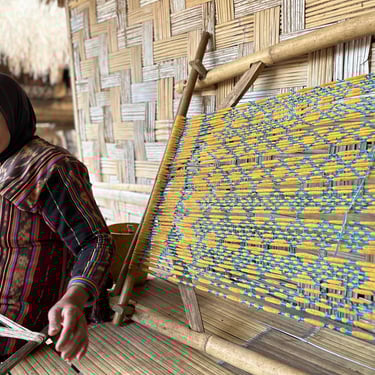
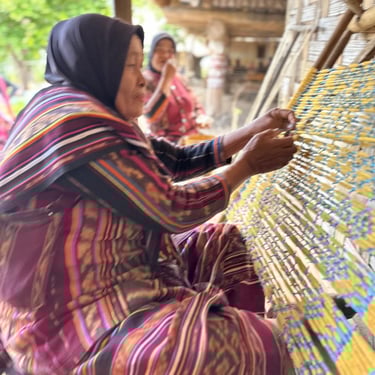
As part of our commitment to community and culture, the AUE Initiative proudly supports the preservation and promotion of kain tenun NTT—the traditional handwoven textile of East Nusa Tenggara.
Renowned for its vibrant colors and intricate motifs, kain tenun NTT reflects the deep cultural identity of the region. Each cloth is more than just fabric—it is a living story, passed down through generations, woven with meaning, ceremony, and pride.
Our focus is on naturally dyed textiles, using plant-based materials and traditional techniques. Dyes are extracted from local sources such as:
Indigofera for deep indigo blues
Sappanwood (Caesalpinia sappan) for rich reds
Turmeric (Curcuma longa) for golden yellows
Tree bark and mangrove for earthy browns
Charcoal or volcanic soil for deep blacks
These natural methods not only protect the environment but also preserve ancient knowledge systems rooted in harmony with nature.
Kain tenun is an essential part of life in NTT—used in weddings, traditional dances, and sacred ceremonies. It symbolizes identity, unity, and the artistry of women who continue to weave the spirit of their ancestors into every thread.
Through the AUE Initiative, we aim to support local weavers, expand market access, and ensure this cultural treasure continues to thrive for generations to come.
From root to thread, our textiles tell the story of Alor.
Get in Touch
We'd love to hear from you! Reach out for inquiries about our resort, diving packages, or marine life experiences.
Contact
+6281238636036
Support